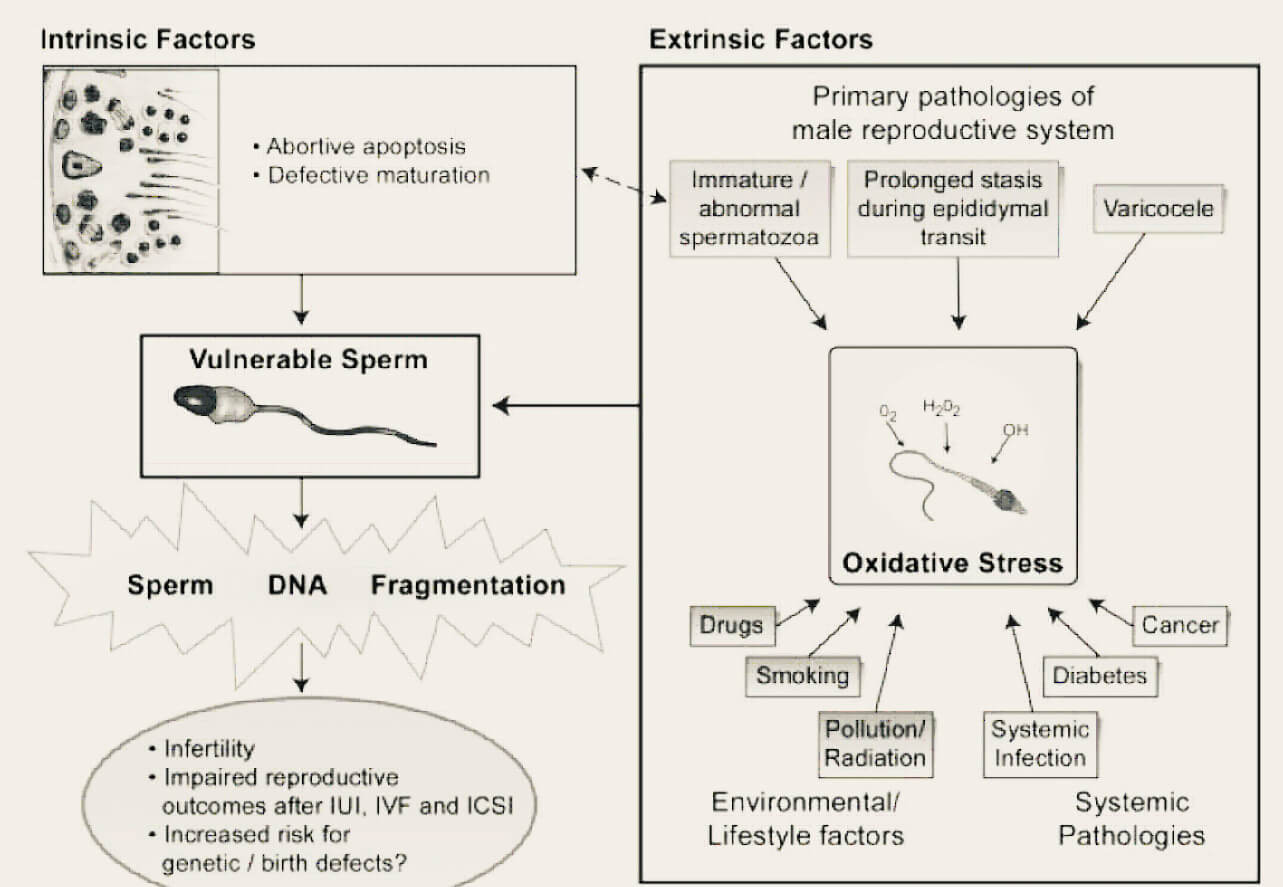
Many people think miscarriage is only related to female health, but sperm health can also play a crucial role in pregnancy outcomes. Research shows that poor sperm quality, including sperm DNA damage and aneuploidy, can increase the risk of miscarriage and pregnancy loss.
How Sperm Quality Affects Miscarriage Risk:
1. Sperm DNA Damage
- Sperm DNA damage can impair embryo development, making it harder for a pregnancy to progress. High levels of DNA fragmentation in sperm are linked to increased miscarriage rates.
2. Sperm Aneuploidy
- Aneuploidy occurs when sperm have an abnormal number of chromosomes. This condition can lead to genetic abnormalities in the embryo, significantly raising the risk of miscarriage.
3. Lifestyle Factors
- Daily habits such as smoking, excessive alcohol consumption, poor diet, and lack of exercise can negatively impact sperm quality. Adopting a healthier lifestyle may improve fertility and reduce miscarriage risk.
4. Medical Conditions
- Underlying health issues (including infections, hormonal imbalances, and chronic diseases such as diabetes) can also affect sperm quality and overall fertility.
Ways to Improve Sperm Quality and Support a Healthy Pregnancy.
Assess Sperm Quality
Men can undergo fertility testing to evaluate sperm health. Common tests include:
- Computer-Assisted Semen Analysis (CASA)
- Sperm DNA Fragmentation Tests
- Sperm Chromatin Structure Assay (SCSA)
Improve Lifestyle Habits
Making positive lifestyle changes; such as quitting smoking, reducing alcohol intake, eating a balanced diet, and exercising regularly can enhance sperm quality and increase the chances of a successful pregnancy.
Understanding the role of sperm health in miscarriage is essential for couples trying to conceive. By assessing sperm quality and adopting healthier lifestyle habits, men can actively contribute to reducing the risk of miscarriage and supporting a healthy pregnancy.